
Choosing a mop making machine should start with the finished mop and the production target, rather than the word “automatic” or a headline price. This guide is for manufacturers planning loop mop, wet mop or Kentucky mop heads and needing a condition-based equipment shortlist. It is not intended for flat-mop stitching, disposable-mop assembly or a project that has no defined sample. Before comparing machines, prepare a mop photo, finished length and width, material, target weight, desired output with a clear time basis, available floor space and electrical supply. The supplied project brief gives a reference envelope of about 2,000 × 2,000 × 2,000 mm and 2 kW, plus an output statement of 2,500–3,000 pieces. Because its time basis and tolerance are not stated, both must be confirmed through a written specification and an actual-material trial. Your result should be a clear requirement sheet, a shortlist and a list of points still requiring validation.
Why machine selection starts with the finished mop specification
- The production or engineering team owns the decision because it must turn a target mop design into a repeatable manufacturing process.
- The decision is triggered when a new loop, wet or Kentucky mop head must move from a sample or drawing into regular production.
- If the sample, dimensions, material form, target weight or time-based output requirement is missing, competing machines cannot be compared on the same basis.
- That evidence gap can cause repeated questions, revised tooling assumptions and additional material trials after a machine has already been discussed.
- The rework may delay the equipment decision or leave the buyer with a configuration that needs further modification before stable production.
- The bounded decision in this guide is whether a machine family deserves a trial and what must be confirmed before it becomes a final candidate.
Why automation matters for loop and wet mop production
Automatic handling can support higher planned output, more consistent mop weight and more controlled material use. The supplied brief describes a one-operator setup and an optional slitting unit for feeding cotton or non-woven strips. These points can reduce manual handling, but they do not by themselves prove the output rate or finished-weight tolerance for every material.
Ask the supplier to run your actual yarn or strip material and record the finished dimensions, weight variation, stoppages and output over a stated period. This turns a general “automatic machine” claim into evidence that can be compared with your own labour plan and quality standard.
Seven factors to compare before choosing a mop making machine
1. Finished mop construction and application
Confirm whether the target is a loop mop head, wet mop head or Kentucky mop. Record how the yarn is arranged, where bands or stitching are required, whether a socket is fitted in the same process, and which steps remain separate. A machine name that contains “mop” is not enough to prove that it produces the required construction.
2. Material and feeding method
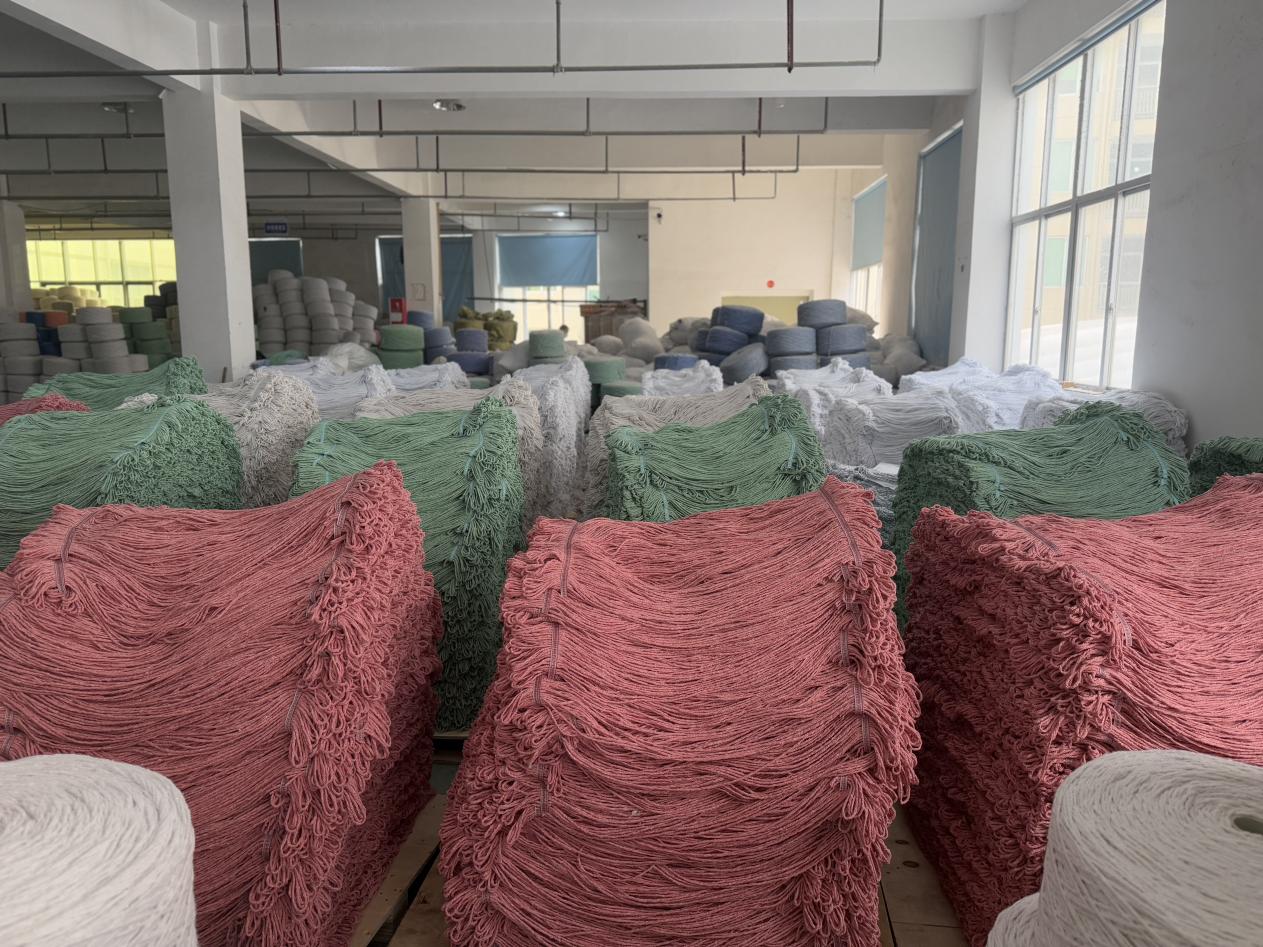
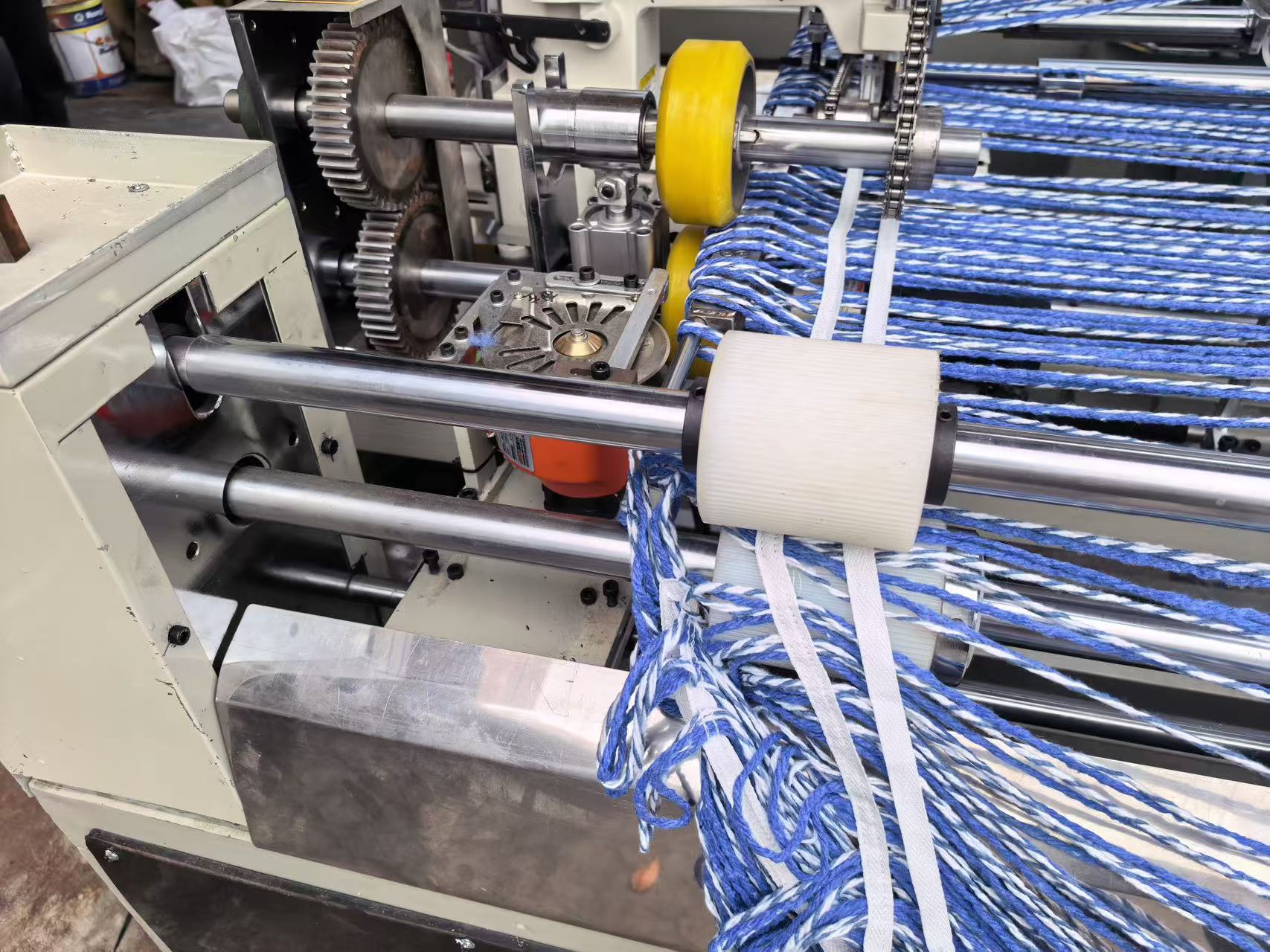
Identify cotton yarn, recycled cotton, microfiber, non-woven strip or another material, together with the supply form and relevant width or yarn count. If the material arrives as a wide strip, determine whether the optional slitting unit is required. A sample trial should check feeding stability and finished appearance rather than relying on material names alone.
3. Mop size, weight and permitted variation
Send the finished mop length and width as L × W and state the target weight. Add the permitted dimensional and weight variation used by your own quality team. If those limits do not yet exist, establish them from approved samples before requesting a final configuration.
4. Output with an explicit time basis
The source brief lists 2,500–3,000 pieces but does not identify whether this means per hour, per shift or another period. Do not compare that number with another supplier’s figure until the time basis, mop size, material, operator count, planned stops and accepted-quality definition are stated in the same way.
5. Machine envelope, power and factory utilities
The brief gives a reference size of approximately 2,000 × 2,000 × 2,000 mm and rated power of 2 kW. Confirm the final configured dimensions, access space for loading and maintenance, voltage, phase, frequency, grounding and any other utility requirement before approving the factory layout.
6. Automation level and operator tasks
The supplied brief states that one worker can operate the machine. Clarify exactly what that worker must load, cut, inspect, remove and pack, and whether material preparation is counted separately. Compare labour on the same process boundary rather than comparing only the number of people standing beside the machine.
7. Safety, maintenance and service boundary
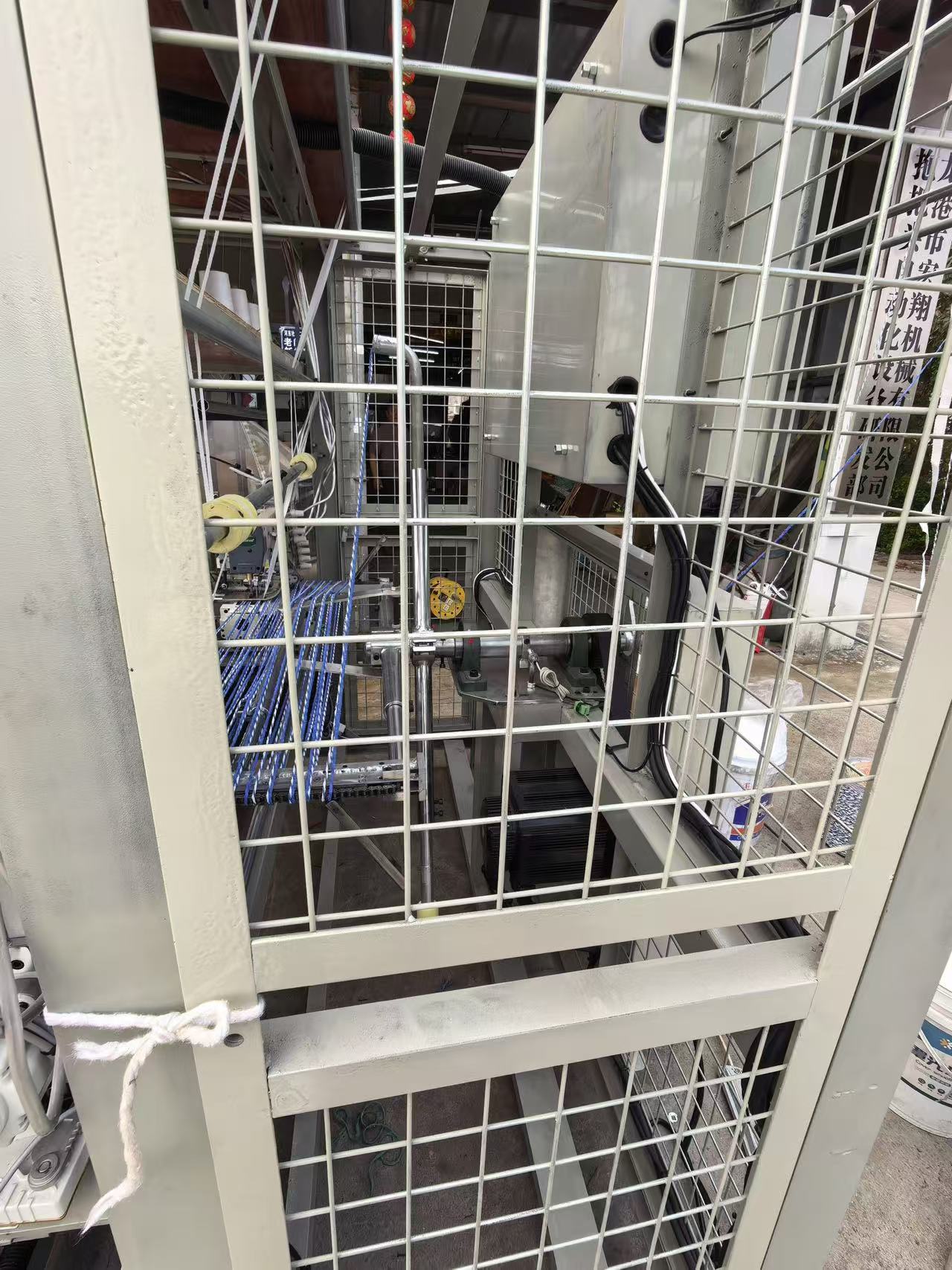
The brief specifies a sensor-linked net guard that should prevent operation when the guard is open. Witness that interlock test and document the safe reset procedure. Also ask which parts are consumables, which preventive tasks the operator performs, which spares are included and what support is available after installation.
| Reference item from the project brief | What the buyer should confirm |
|---|---|
| Applications: loop, wet and Kentucky mop heads | Exact finished construction and which operations are included |
| Machine envelope: about 2,000 × 2,000 × 2,000 mm | Final configured size plus loading and maintenance clearance |
| Rated power: 2 kW | Voltage, phase, frequency and total connected load |
| Output: 2,500–3,000 pieces | Time basis, product size, material, accepted quality and planned stops |
| One-operator operation | Tasks included and any separate material preparation or packing labour |
| Optional cotton/non-woven slitting unit | Input material form, strip width and whether the option is required |
| Sensor-linked net guard | Witnessed stop test, reset method and local safety review |
A practical selection workflow
- Freeze one approved mop sample or drawing and record its finished L × W and target weight.
- Describe the material, supply form and any strip-slitting requirement.
- State the required accepted pieces per hour or per shift, including the assumed shift length and planned stops.
- Confirm factory space, electrical supply and the operator tasks included in the comparison.
- Request an actual-material run and agree on dimensional, weight and visual acceptance checks before the run.
- Compare the recorded result, safety test, included options, training, spares and warranty scope on one requirement sheet.
Stop the selection and collect more evidence when:
- the target mop construction or finished dimensions are still changing;
- capacity is quoted without a time basis and accepted-quality definition;
- the supplier cannot run the intended material or explain the process boundary;
- factory utilities or service clearances do not match the final configuration; or
- the safety guard and interlock cannot be demonstrated under a controlled acceptance test.
Quality and safety checks before machine acceptance
A machine trial should produce evidence that matches the buyer’s requirement sheet. Use the actual production material, record the machine settings and keep the approved output samples. The acceptance method can remain simple, but its limits must be agreed before the test.
- Measure finished length and width against the approved sample or drawing.
- Weigh the produced samples and compare the variation with the buyer-approved tolerance.
- Inspect loop formation, yarn alignment, bands or stitching and the finished appearance.
- Record accepted output, rejects, stoppages and test duration so that the output rate has a clear basis.
- Open the net guard during the controlled safety test and verify that the sensor prevents operation and that restart follows the agreed safe procedure.
- Document unresolved points and assign each one to a follow-up trial, written confirmation or local safety review.
Frequently asked questions
What information should I send before an inquiry?
Start with a clear mop photo and the finished mop size as L × W. To make the first review more useful, also provide the material and supply form, target weight and tolerance, required output with its time basis, available voltage and phase, factory space and any required option such as strip slitting. Share non-confidential information through the agreed contact channel.
How is the machine installed?
The supplied brief states that detailed video guidance is provided and that the machine is designed for straightforward installation. Before shipment, confirm the unloading plan, final layout, electrical connection, setup checklist, trial material, operator training and the evidence required for acceptance.
What is the warranty?
The supplied brief states a one-year machine warranty and free repair of eligible broken parts during that period. Ask the quotation to define the start date, covered parts, exclusions, consumables, labour, freight and the process for diagnosis and replacement. Those commercial details should be confirmed in writing.
Does the machine include a safety guard?
According to the supplied brief, the machine uses a sensor-linked net guard and should not run when the guard is open. Include the stop and reset behaviour in the acceptance test, and have the final installation reviewed under the safety rules that apply at the buyer’s factory.
Build a shortlist with evidence, then confirm the configuration
A suitable loop or wet mop making machine is the one that can reproduce the approved mop with the required material, quality limits and time-based output inside the buyer’s available space and utilities. The reference figures in this article are a starting point, not a substitute for a written configuration and actual-material trial.
The Automatic Loop Mop Making Machine LP06 is a relevant family-level starting point for loop mop projects. Review its current configuration, compare other Mop Machine options, and use the Contact page to share your mop dimensions and request the appropriate route for a photo or sample. Opening a technical discussion does not commit you to a purchase, and response timing should be confirmed through the contact channel.